How to layer oud without ruining both fragrances
Layering works when the two scents share a structural note and differ in weight. Most failed attempts get that backwards.
14 June 2026 · 4 min read
Layering has a bad reputation, largely because most advice on it is wrong. The common instruction - pick two things you like and spray both - reliably produces something muddy.
Share a note, differ in weight
The pairing works when the two fragrances have at least one material in common and sit at clearly different intensities. The shared note gives the nose a bridge; the difference in weight stops them competing.
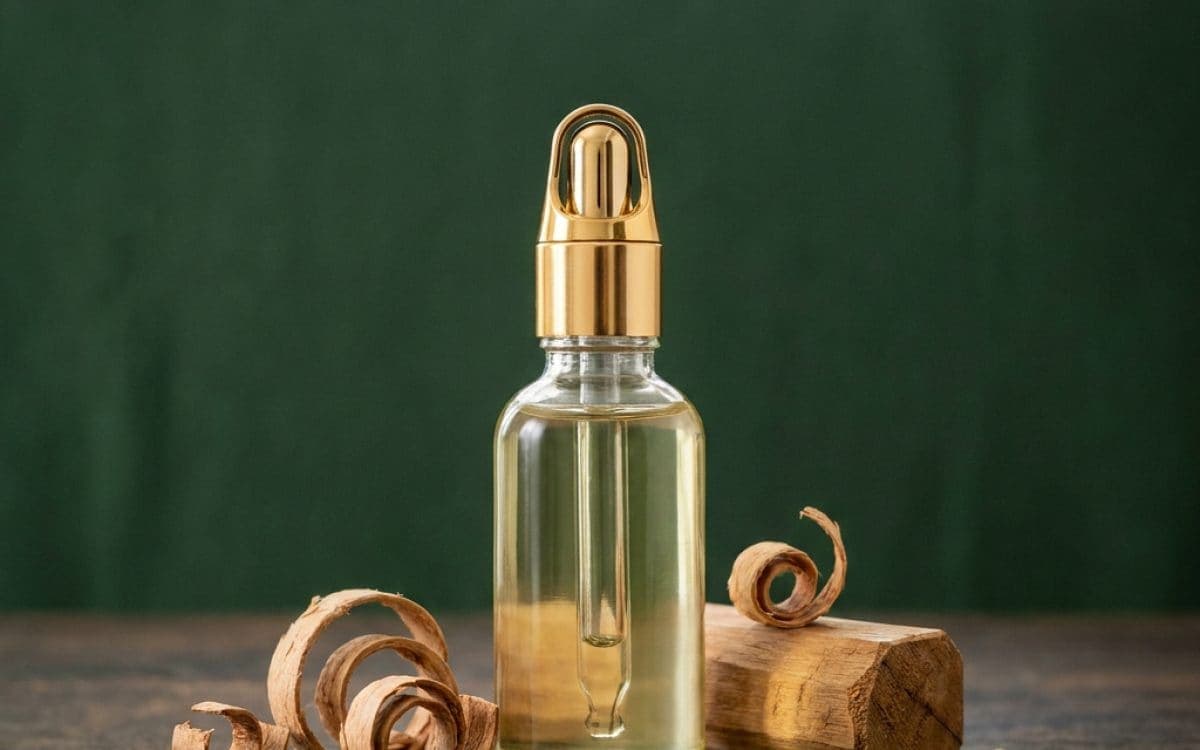
A dense oud and a bright citrus have nothing in common and will simply fight. A dense oud and a soft sandalwood share a woody base, and the sandalwood will round the oud's sharper edges.
Heavier first, and less of it
Apply the heavier fragrance first, to skin, and use roughly a third of what you normally would. Let it settle for a full minute. Then apply the lighter one over it, at normal strength.
Spraying the light one first means it disappears entirely under the heavy one within ten minutes.
Test on paper, then on skin, then wait
Paper tells you whether the combination is coherent. Skin tells you whether it works on you - and the two answers differ more often than people expect. Give any combination a full four hours before deciding; most layering failures announce themselves in the drydown, not the opening.