What people mean when they say oud
The word covers a raw material, a synthetic reconstruction, and a marketing category. They are not the same thing.
16 July 2026 · 6 min read
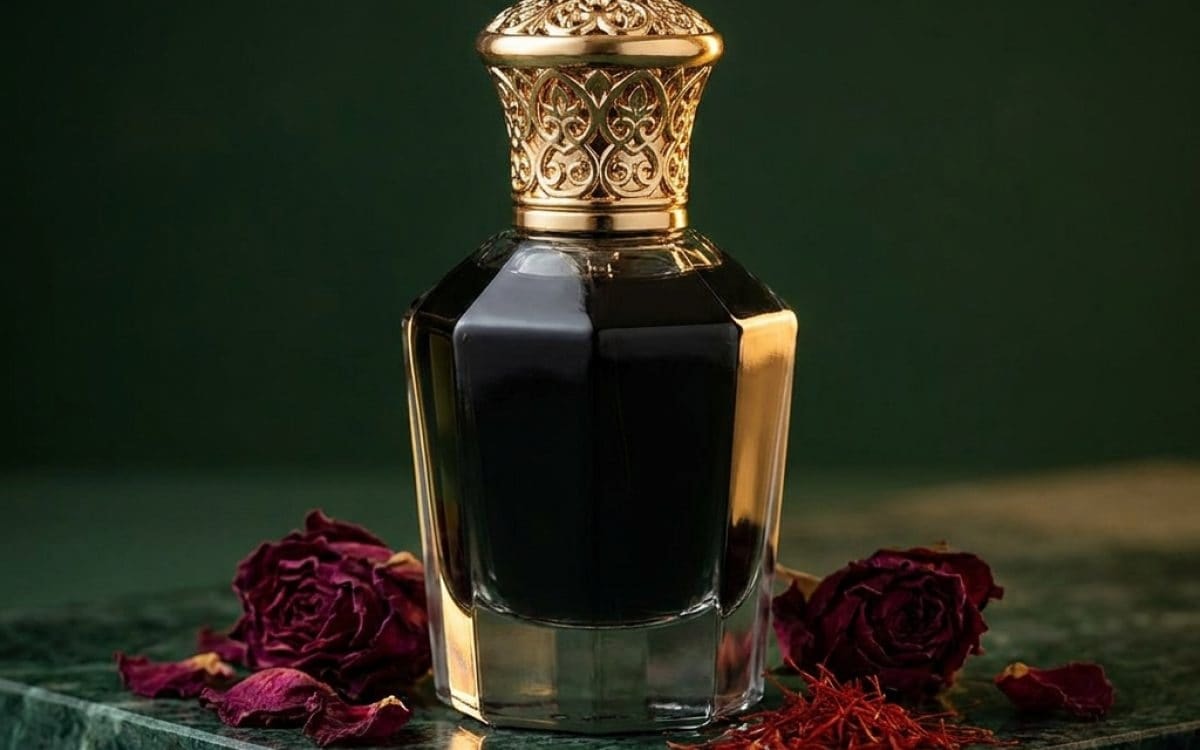
Oud is resinous heartwood from Aquilaria trees, produced only when the tree is infected by a particular mould. Uninfected trees produce nothing of value. This is why genuine oud is expensive: the material is a pathological response, not a crop.
Three different things, one word
Distilled oud oil is the real material, steam-distilled from infected heartwood. Regional character is pronounced - Cambodian oud tends sweet and slightly fruity, Hindi oud is famously barnyard-like on the opening, and Malaysian sits between them.
Oud accords are reconstructions built from synthetics and other naturals. A well-made accord is not a fraud; it is a legitimate perfumery tool, and some excellent fragrances use one. It should be described as such.
"Oud" as a category is a marketing label applied to any warm, woody, vaguely Middle Eastern composition. Much of it contains no oud in any form.
How to tell what you have
Price is the crude signal - genuine distilled oud at any concentration is expensive, and a Rs. 3,000 bottle labelled oud is an accord. Beyond that, real oud oil is rarely comfortable on first application. The opening is often sharp, medicinal, or frankly unpleasant, and settles over twenty to thirty minutes. A fragrance that smells warm and inviting immediately is almost certainly an accord.